

Yellowstone in Winter Jan. 14-20
January 15, 2026
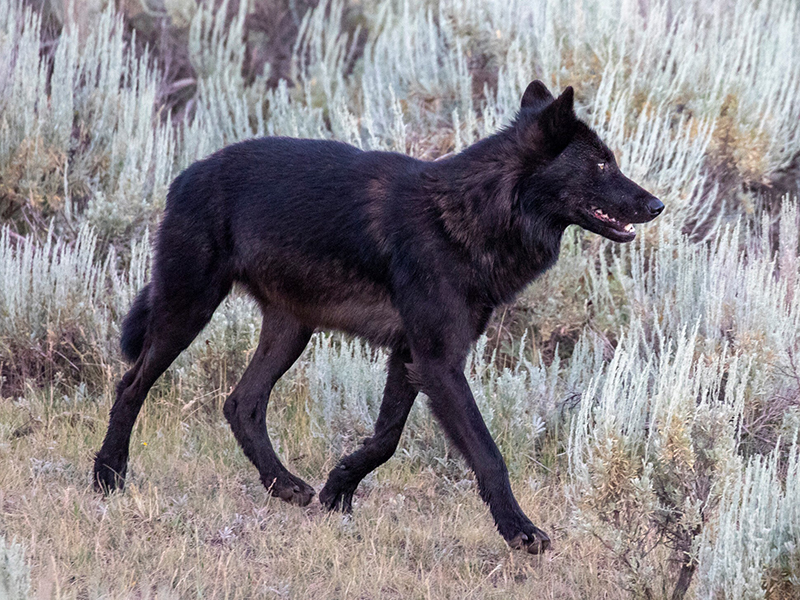
This week, nine exceptional North Carolina educators will participate in the Museum’s Educators of Excellence Institute in Yellowstone National Park. One of the many connections between North Carolina and Yellowstone that the group will explore is wolves.
Yellowstone National Park is famous for the successful reintroduction of gray wolves in 1995. Wolves had been extirpated from the park in the early 1900s. Now, about 100 wolves in 9-10 packs call Yellowstone home. Their presence, as well as that of other large carnivores like cougars and grizzly bears, has had a profound impact on Yellowstone’s ecosystem through a process known as a tropic cascade.
Did you know that red wolves were introduced in North Carolina before gray wolves returned to Yellowstone? Red wolves were nearly extinct when 14 captured animals were put into a captive breeding program in the 1970s. In 1987, the US Fish and Wildlife Service began a red wolf reintroduction program in eastern North Carolina that continues today. In fact, North Carolina is the only place in the world with wild red wolves.
Here are a few interesting comparisons between gray and red wolves:
+ The scientific name for the gray wolf is Canis lupus, which means “dog wolf.” The scientific name for the red wolf is Canis rufus, which means “red dog.” Red wolves are known for their rusty coloration, while gray wolves vary in color from black to gray to white.
+ Historically, red wolves ranged across the southeastern US from Texas to New York. The historic gray wolf range stretched across the western half of the United States.
+ Adult red wolves are typically 45-80 pounds. Adult gray wolves range from 80-130 pounds.
+ The primary prey of gray wolves in Yellowstone are elk and bison. The primary prey of red wolves in North Carolina are white-tailed deer, raccoons and smaller mammals.
The educators on our Yellowstone Institute will have the chance to learn about both species from biologists involved in the Yellowstone Wolf Project. To learn more, follow the Institute’s blog.
For more information about our upcoming activities, conservation news and groundbreaking research, follow @NaturalSciences on Instagram and Facebook.